
Even if your burner was set up perfectly at the start, it won’t stay that way. Combustion settings change over time, often without any obvious signs. The real issue isn’t if your burner goes out of tune, but how long it runs that way before someone notices.
The difference between just running and running efficiently is that you can lose a lot of money on fuel. The good news is that fixing this isn’t hard. All you need is a regular schedule.
Why Burners Drift Out of Tune
The air-fuel ratio you set six months ago is probably different from what your burner is using today. Here are a few reasons why:
None of these is a failure. They’re just the normal result of a machine running hard, day after day.
What “Out of Tune” Actually Costs You
When the air-fuel ratio changes, you’ll see the effects in your fuel costs and in your maintenance records:
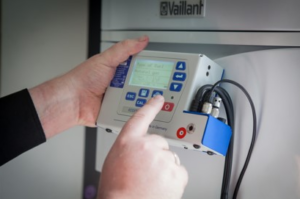
A Simple Maintenance Cadence
You don’t need a complicated plan. What matters is being consistent. Here’s a simple routine that works for most facilities:
If your boiler works hard, supports a critical process, or handles a heavy load, think about tuning it twice a year—once before the heating season and once after. This helps you stay ahead of seasonal changes in air density.
Signs You’re Already Overdue
Don’t wait for your scheduled check if you notice any of these signs:
If you notice any of these, your burner is letting you know it needs attention.
The Payoff
Here’s what matters most: small adjustments really do make a difference. Reducing excess air by just a few percent can noticeably cut fuel waste. A well-tuned burner runs cleaner, lasts longer, and is less likely to cause problems.
Burner tuning isn’t something you do once and forget about. Make it part of your regular maintenance, and your boiler room will reward you with lower fuel costs and fewer problems every month.



Leave A Comment