Boiler control systems are essential for running any steam or hot-water plant. They handle fuel and air delivery, maintain combustion, and help the system respond to changing needs, all while keeping things safe and compliant. These systems include boiler controls, combustion control systems, and burner management systems (BMS), which work together to keep everything running smoothly and efficiently.
For facilities with industrial boiler controls, the control system is more than just a part; it drives overall performance.
Benefits of Upgrading Boiler Controls
Upgrading your boiler control systems is one of the most effective improvements you can make without replacing major equipment. Modern control platforms bring clear benefits across your operations.
Improved Reliability and Reduced Downtime
Older systems often lose calibration and need frequent manual adjustments. Modern controls keep operations steady, reduce unnecessary shutdowns, and improve uptime.
Better Visibility and Monitoring
Modern systems provide real-time data, trends, and diagnostics.
This helps teams spot and solve problems early.
ROI and Operational Savings
When you add up fuel savings, lower maintenance, and better uptime, upgrading your boiler controls usually pay off quickly.
Energy Efficiency Improvements
Advanced controls constantly fine-tune combustion, reducing excess air and heat loss.
This results in better control and more efficient burner performance.
Reduced Fuel Consumption
With precise adjustments, facilities often use less fuel, resulting in direct cost savings.
Legacy Control Systems vs. Modern Systems
Many facilities still use older jackshaft and linkage-based systems. These worked well in the past, but they have some clear limitations:
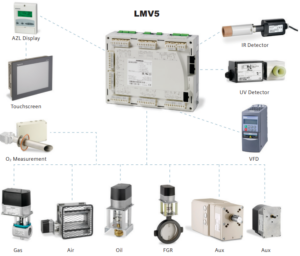
Modern linkageless control systems, like the Siemens LMV platform, solve these problems by controlling fuel and air separately. This leads to:
Switching from mechanical linkage to digital controls is a big reason why many facilities are upgrading their systems.
What Is a Burner Management System (BMS)?
A burner management system (BMS) acts as the safety layer for a boiler. It controls safe startup, operation, and shutdown of the burner.
Upgrading or retrofitting your burner management system is often necessary to comply with today’s safety codes and insurance requirements. It also gives you confidence that your system is always running safely.
Key responsibilities include:
Boiler Controls Retrofit Options
Most facilities don’t need to replace their entire boiler to see better performance. In many cases, a targeted retrofit brings big improvements for much less money.
Common retrofit solutions include:
Common Control Platforms in the Market
There are several main control platforms for boiler systems. Each one has its own strengths, depending on your needs.
Signs a Facility Needs a Controls Upgrade
If you notice any of the following issues, it may be time to consider upgrading your boiler controls
These problems don’t just affect efficiency; they also increase operational risk.
Integration with Building Management Systems
Modern boModern boiler controls work best when connected to a building management system (BMS) or automation platform.
This integration lets facilities perform remotely.
This kind of integration improves both day-to-day control and long-term planning, so it’s a top priority for facilities looking to stay ahead.
Industrial and Commercial Applications
Advanced boiler control systems are important in many different industries:
Upgrading controls in these settings helps improve performance and save on costs.
Why Work with a Qualified Controls Contractor
A successful upgrade is more than just installing new hardware. It takes real expertise in both controls and combustion.
This ensures your industrial boiler controls perform at their best from the start and continue delivering value over time.
Moving Forward
Boiler systems are changing, and new control technology is leading the way. Facilities that invest in modern boiler controls, especially linkageless systems like Siemens LMV, set themselves up for better efficiency, reliability, and insight.